


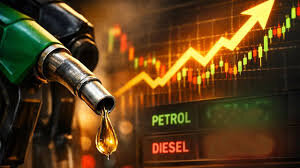
According to the analytical news outlet IRASIN, surging diesel prices have begun to impact the mining industry. By raising production and transportation costs, this trend affects metal prices worldwide at a time when commodity markets are adjusting to new conditions shaped by trade tariffs and inflation.
Disruptions in the Strait of Hormuz have affected the transit of liquefied natural gas (LNG) and other energy shipments, driving global energy prices higher. The mining industry is similarly impacted, as fuel is essential to power extraction operations and transport minerals from mine sites. Copper producers, including Antofagasta and Capstone Copper, have reported increases in operating costs. Conversely, gold miners such as Barrick Mining and Kinross Gold have relied on rising gold prices to shield their profit margins.
Gold production costs at Barrick Mining rose approximately 17% between 2025 and 2026, driven in part by higher fuel expenses. Nevertheless, as gold prices reached historic highs, the company increased its adjusted earnings before interest, taxes, depreciation, and amortization (EBITDA) by 51% in Q2 2026 to reach $2.5 billion.
Ivanhoe Mines experienced a similar trajectory. Despite higher diesel prices, the Kamoa-Kakula copper mine generated $385 million in Q2 2026, supported by higher copper prices and economic benefits derived from the company's smelter operations. Rising fuel prices have widened the gap among mining companies: one group can offset fuel cost inflation thanks to higher product prices or byproduct revenues, while another group remains exposed to escalating energy costs.
Analysts at TD Cowen warned in March 2026 that the sharp rise in energy prices could halt the notable margin growth trajectory of mining companies. According to the analysts, these conditions share similarities with the fallout from Russia's invasion of Ukraine in 2022.
They estimated that All-In Sustaining Costs (AISC) per unit of product could rise by 15% year-over-year, while All-In Costs (AIC) could increase by 22%. Currently, amidst rising interest rates and easing supply concerns, metal prices are showing signs of softening. This scenario could present the mining industry with a more challenging operating environment.














نظر شما