

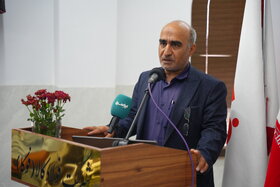
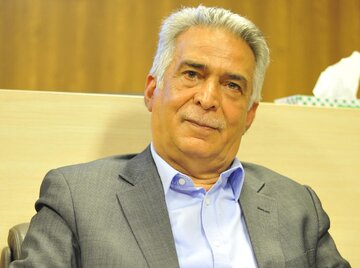
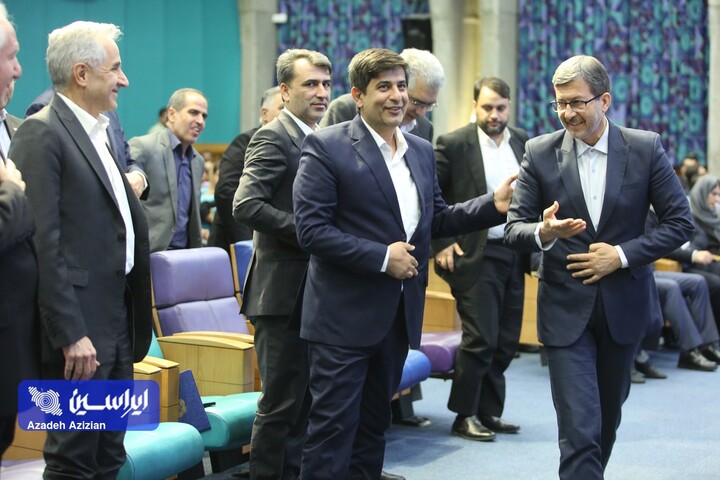
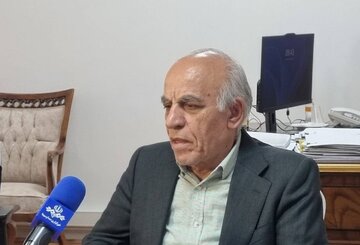
When crisis struck the operational core of Mobarakeh Steel, some observers predicted prolonged disruption in Iran’s flatsteel supply chain. However, the recent gathering of the company’s former CEOs—representing 45 years of accumulated managerial experience—revealed a different narrative: resilience and strategic redesign.
Rather than merely restoring damaged facilities, Mobarakeh Steel is pursuing a structured reconstruction strategy based on four stages: securing, cleanup, reconstruction, and modernization. The objective is not only to restore production capacity but also to use the reconstruction phase as an opportunity for technological upgrading across the value chain.
Several former executives emphasized the importance of separating reconstruction management from ongoing operations, ensuring that production in healthy lines continues without disruption. This approach would protect the stability of Iran’s sheet supply chain while reconstruction proceeds at full speed.
Market dynamics were also a central theme of the discussions. Maintaining the operation of key production lines—particularly hot rolling—was identified as essential for preserving Mobarakeh Steel’s leadership in the regional sheet market and preventing market turbulence.
At the same time, proposals were presented for endogenous financing of reconstruction, including utilizing internal resources and profits while maintaining legal shareholder commitments. Such an approach could secure a significant portion of the required funding from within the company itself.
Beyond operational and financial measures, speakers highlighted the importance of public trust and communication management during the crisis, emphasizing that maintaining confidence among employees, local communities, and market stakeholders is vital for organizational stability.
Ultimately, the central strategic question remains: should reconstruction simply restore the previous state, or can it become a moment of “creative destruction”—a chance to modernize production lines, enhance energy efficiency, and accelerate technological transformation?
If Mobarakeh Steel successfully combines rapid operational recovery with structural modernization, this crisis may become not a setback but a launching point for a new phase of industrial competitiveness.

The gathering of Mobarakeh Steel’s former CEOs—bringing together 45 years of managerial experience—has highlighted how the company’s post‑crisis reconstruction could go beyond recovery, turning into a strategic opportunity for modernization, technological upgrading, and strengthening its leadership in the regional steel market.





نظر شما