


Mobarakeh Steel Group is redefining resource management through its Process Waste Processing unit, transforming a traditional cost center into a strategic pillar of its circular economy ambitions. This comprehensive approach is divided into two key streams: metallic and non-metallic processing, both aimed at maximizing value and minimizing environmental impact.
On the metallic front, the unit is executing a decisive plan to achieve 100% self-sufficiency in scrap metal. By optimizing the processing of internal scrap, Mobarakeh has systematically reduced its reliance on external purchases. Purchases fell from 100,000 tons annually to 23,000 tons in 2024, with a goal of zero external procurement in 2025. In 2024, the unit processed 490,000 tons of internal scrap, targeting 520,000 tons in 2025. In 2024, the unit processed 490,000 tons of internal scrap, and it is targeting 520,000 tons in 2025. This move not only insulates the company from market volatility but also represents a multi-million dollar cost-saving initiative.
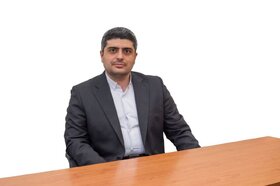
“We are shifting our culture to see these materials not as “waste,” but as valuable “by-products”—a core principle of the circular economy.”
Non-metallic innovation drives ESG compliance. The unit’s slag processing operations are a prime example. In 2024, 360,000 tons of slag were processed, with a significant portion used in internal development projects as a substitute for natural aggregates. This practice simultaneously preserves natural resources and reduces project costs.
Furthermore, advanced R&D has turned industrial sludge into a valuable asset. The hot rolling clarifier sludge project, now operational, produced over 20,000 tons of high-grade 69% iron concentrate in its first year alone, which is returned directly to the iron-making unit. Addressing environmental challenges remains a priority. To manage difficult-to-process heavy scrap, the company is investing in new infrastructure, including enclosed cutting rooms with advanced dust collection systems, ensuring full compliance with environmental regulations.
This strategic pivot to a circular model is foundational to Mobarakeh’s future. The financial target for the Process Waste Processing unit in 2025 is to create approximately 5 trillion Toman in value through cost savings and sales, proving that sustainable, responsible operation is also smart business.
نظر شما