


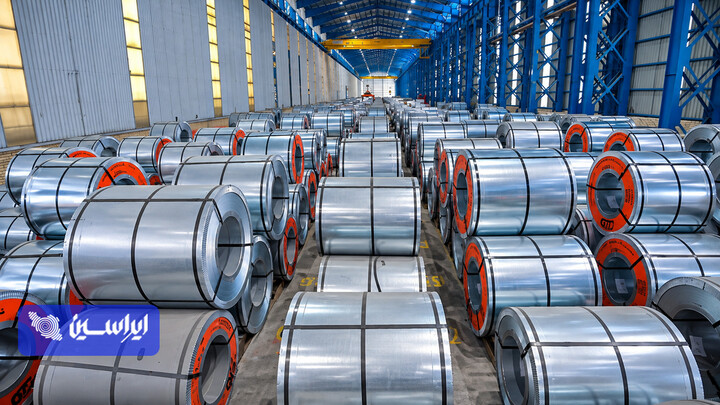
According to the analytical news outlet IRASIN, Mobarakeh Steel Group has pursued its development trajectory since its inception by relying on systematic planning and operating within a defined framework—an approach that, between 1997 and 2006, expanded the Group's production capacity from 2 million tons to 4 million tons while simultaneously broadening its product portfolio. During that same period, with the required project financing secured, a plan to further expand production capacity from 4.5 million tons to 7 million tons was placed on the agenda; however, the initiative was halted following shifts in macro-level government policies. This experience once again underscores the imperative of formulating a comprehensive master plan and avoiding fragmented, unplanned expansion in the nation's steel industry.
The Imperative of Revising Steel Industry Policies
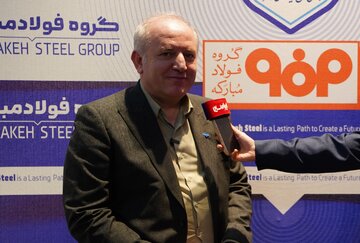
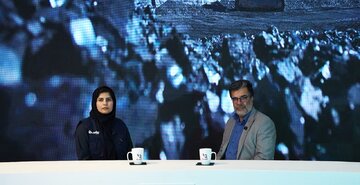
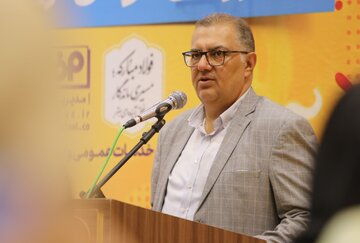
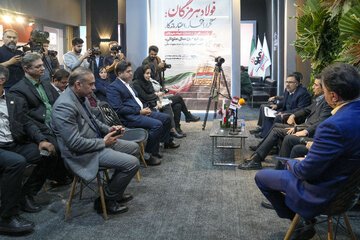
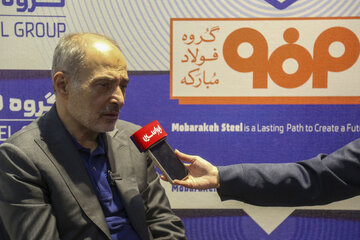
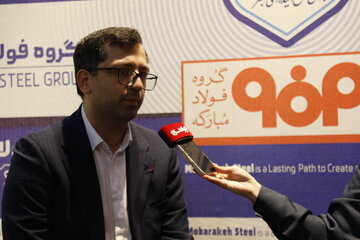
Speaking on the sidelines of the 23rd International IranMetafo Exhibition, Mahmoud Eslamian, former CEO of Mobarakeh Steel Group, stressed the vital importance of economies of scale in steel production, stating: "The minimum viable economic capacity in the steel industry—from iron ore processing to finished steel production—is approximately 4 million tons. Mobarakeh Steel Group’s experience demonstrates that when its production capacity expanded from 2 million tons to over 4 million tons, sales tripled in 2005, while corporate profits surged twelvefold."
Highlighting the necessity of reconsidering national steel development policies, he added: "I hope the nation's industrial authorities will devise effective solutions to address this issue."
Pointing to one of the structural weaknesses of Iran's steel industry, the former CEO of Mobarakeh Steel Group remarked: "The lack of a comprehensive steel master plan and the establishment of small-scale plants across various provinces are among the core challenges facing this sector. In this context, the situation at Isfahan Steel Company (ESCO) illustrates that its production capacity of roughly 2 million tons is one of the primary reasons behind its current difficulties and challenges. Had ESCO expanded its production capacity in the same manner as Mobarakeh Steel Group or Khuzestan Steel Company, it would certainly not be confronting such challenges today. I hope that following the end of the war, the energy crisis will also be resolved."


نظر شما