


According to the analytical news outlet IRASIN, citing the Public Relations Department of Hormozgan Steel Company, the company’s Vice President of Finance and Economics outlined the impact of energy carriers on production cost structures, announcing a rise in the share of gas and electricity expenses in the cost of goods sold. He stated: "The combined share of these two energy carriers has risen from approximately 22.3% in 2025 to 24.5% in 2026—a trend that underscores the growing necessity of revising cost management strategies and boosting production process efficiency."
Rising Share of Energy in Production Cost Structures
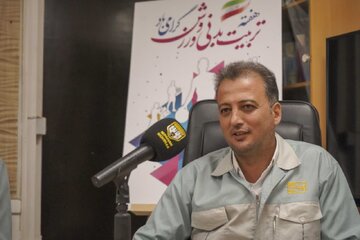
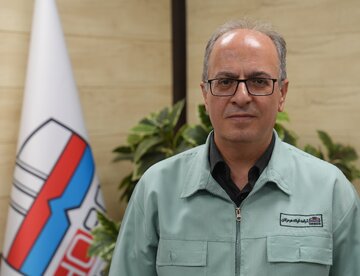
Highlighting the energy-intensive nature of the steel industry and the pivotal role of gas and electricity in production economics, Valeh Ahmadpour stated: "At Hormozgan Steel Company, these two energy carriers constitute a substantial portion of the cost of goods sold, and tariff fluctuations directly impact the company's cost structure."
Detailing the trajectory of energy cost shifts, he added: "Based on figures from recent years, the share of gas expenses in the cost of goods sold stood at around 10% in 2025, rising to roughly 12% in 2026. Furthermore, the share of electricity costs increased from 12.3% in 2025 to approximately 12.5% in the current year."
The Vice President of Finance and Economics at Hormozgan Steel Company continued: "Accordingly, the combined share of gas and electricity expenses in the company's cost of goods sold climbed from about 22.3% in 2025 to 24.5% in 2026. This increase is primarily driven by rising gas cost shares, demonstrating the decisive role of energy carrier tariffs in steel product manufacturing costs."
Emphasizing the need to simultaneously manage energy tariffs and consumption levels, Ahmadpour specified: "Alongside price adjustments, consumption management, process optimization, and reducing energy intensity carry high priority. Hormozgan Steel Company strives to contain a portion of the impacts stemming from rising costs by increasing productivity and optimizing energy resource utilization."
Gas Tariff Hikes and Direct Impact on Cost of Goods Sold
Addressing the economic repercussions of higher gas tariffs, Ahmadpour remarked: "Increases in this energy carrier's tariff directly elevate production costs, and conducted calculations indicate that under current conditions, this hike adds roughly 32,692 rials per ton of product to the cost of goods sold."
Noting that enhancing energy efficiency can partially mitigate this pressure, he explained: "Reducing specific gas consumption and optimizing production processes are among the measures enabling partial management of tariff hike impacts; nevertheless, it must be noted that energy conservation cannot necessarily offset the entire financial impact of tariff increases to an equal degree."
Illustrating the link between rising production costs and corporate profitability, Hormozgan Steel Company’s Vice President of Finance and Economics emphasized: "If gas tariff hikes drive up the cost of goods sold without the possibility of a proportional increase in product selling prices, the company's profit margins will be affected. Therefore, fluctuations in energy carrier tariffs must be recognized as a key variable influencing production economics and corporate competitiveness."
Cost Management Beyond Energy Consumption
Elsewhere in his remarks, Ahmadpour noted that managing energy expenses requires a suite of complementary initiatives: "Under current circumstances, cost control is not pursued solely through curbing consumption; rather, simultaneous focus must be placed on boosting productivity, lowering energy intensity, optimizing production equipment and processes, and managing other components of the cost of goods sold."
Ahmadpour concluded: "More effective utilization of existing capacities and improving production process performance, alongside energy consumption management, can help alleviate cost pressures. The objective is to minimize the effects of energy carrier tariff hikes on the company's financial structure and profitability while preserving Hormozgan Steel Company’s competitive edge in the market."







نظر شما