


According to the analytical news outlet IRASIN, the experience of attacks on Mobarakeh Steel Group proved that pre-crisis readiness—forecasting high-risk scenarios, training personnel, securing machinery, and leveraging engineering capabilities alongside technical documentation—plays a decisive role in mitigating damages and accelerating the return of production units to operation.
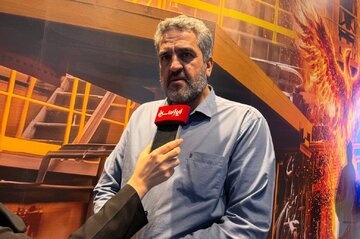
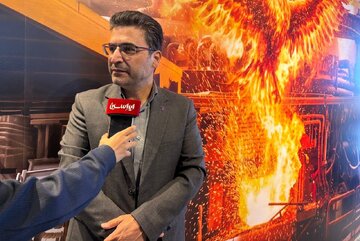
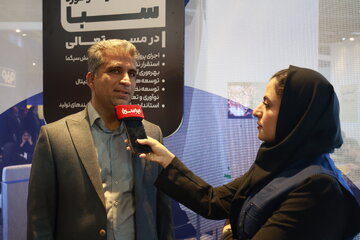
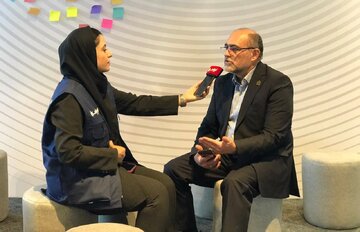
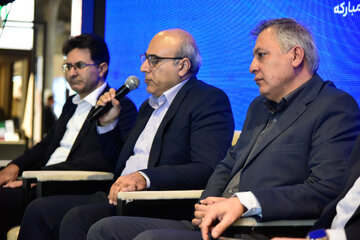
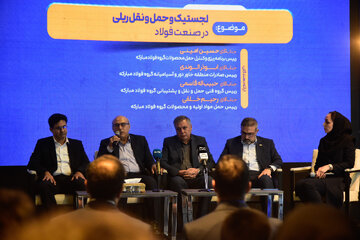
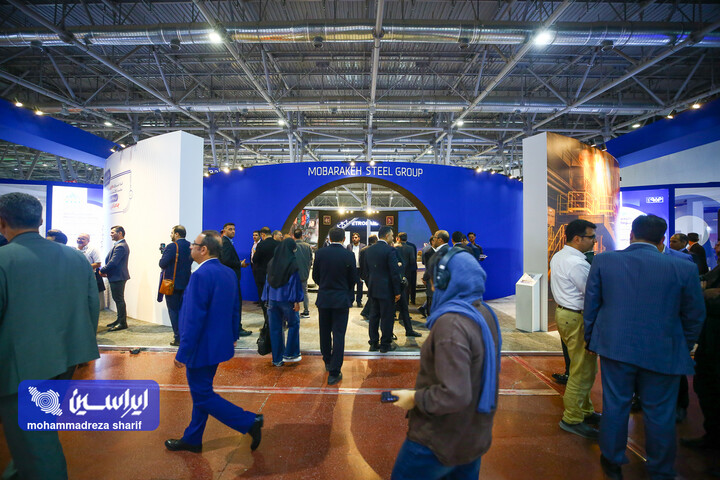
This specialized panel featured key executives: Abbas Mohammadi, Steelmaking and Continuous Casting Manager; Dariush Rashidi, Ironmaking Area Manager; Mohsen Kafil, Maintenance Technical Office Manager; and Alireza Abbasi, Plant Engineering Manager. Speaking at the "Lessons Learned in Organizational Resilience" panel on the opening day of the 2026 International Steel Exhibition & Symposium, they outlined pre-attack preventive measures, emergency management protocols, damage assessment methodologies, and reconstruction efforts. They emphasized that rapid, coordinated decision-making, reliance on internal technical expertise, and converting crisis experiences into improvement plans represent key factors in strengthening organizational resilience and boosting preparedness for future contingencies.
Abbas Mohammadi, Steelmaking and Continuous Casting Manager at Mobarakeh Steel Group, defined organizational resilience as the ability to turn threats into opportunities through intelligent, anticipatory management. He stated that the core approach in this domain involves moving away from reactive management toward proactive governance—a strategy reliant on identifying probable scenarios before crisis onset and formulating operational response plans.
Predictive Management: Turning Threats into Opportunities
According to Mohammadi, Mobarakeh Steel Group had prioritized emergency preparedness years in advance based on past threat assessments. This approach gained greater operational focus through proactive steps initiated last year, centering on potential military and cyberattack scenarios.
Highlighting that preventive measures were executed across several key axes, Mohammadi explained: "One primary axis involved preparing human resources for crisis conditions. Operational scenarios were drafted and drills conducted so employees knew their exact duties during emergencies."
The manager identified equipment hardening and damage containment as the second key axis. Pointing to specific protocols for sensitive machinery, he added: "For instance, in the Electric Arc Furnace (EAF) section, control system modifications were implemented so operators could transition furnaces to a safer state with a single predefined action during an attack. This process was engineered to prevent cascading failures, gradually bring equipment under controlled conditions, and allow personnel sufficient time to evacuate."
Mohammadi cited raw material and production process management as the third axis, noting that inventories of sensitive materials capable of exacerbating damage during an attack were minimized. Measures were also integrated into production flows to mitigate fire hazards and limit structural damage spread. He emphasized that executing these steps relied heavily on effective leadership, a robust organizational culture, and employee cohesion.
Organization preparedness must span three distinct phases: pre-crisis, mid-crisis, and post-crisis. Rigorous scenario analysis and the execution of predefined protocols at Mobarakeh Steel Group laid the groundwork for superior crisis control and a swift resumption of operations.
Operational Preparedness and Risk Management in Ironmaking
Continuing the panel discussion, Dariush Rashidi, Ironmaking Area Manager at Mobarakeh Steel Group, discussed crisis committee meetings held in March to evaluate potential operational scenarios. He noted these meetings convened regularly to formulate preventive protocols based on risk assessments.
Rashidi elaborated: "Managing inventory levels in fuel tanks, gas storage, and other hazardous materials that could escalate risks during a crisis formed part of these measures. Furthermore, shift compositions and specific duties for emergency response teams were defined in advance to eliminate ambiguity during incidents."
Emphasizing operational drills and mental readiness, Rashidi noted: "In wartime conditions, controlling emotions and maintaining focus are as vital as technical expertise. Prior drills and clear role familiarity enabled personnel to execute critical tasks with high precision."
A key lesson from this experience, according to the Ironmaking Area Manager, was that crisis planning must extend beyond conventional conditions to incorporate low-probability, high-consequence events. Such an approach effectively prevents casualties and mitigates structural damage.
Reflecting on reconstruction, Rashidi remarked: "Initial assessments suggested damage severity would delay capacity recovery until year-end. However, leveraging internal expertise, specialist experience, and organizational cohesion enabled us to plan and execute reconstruction within the shortest possible timeframe."
He stressed that reconstruction extended beyond restoring the status quo: "This phase provided an opportunity to identify improvement areas and upgrade operational performance. Lessons learned during reconstruction will help reduce risks, accelerate recovery speeds, and enhance equipment and process quality during future crises or under sanction constraints." Rashidi also emphasized documenting crisis experiences to build institutional memory for future preparedness.
Engineering Capability and Documentation: The Backbone of Rapid Reconstruction
Mohsen Kafil, Maintenance Technical Office Manager at Mobarakeh Steel Group, highlighted the role of localization and domestic engineering in rebuilding damaged facilities: "Strong engineering capacity, comprehensive technical documentation, and skilled execution teams served as critical drivers in managing the crisis and accelerating reconstruction operations."
Kafil noted that engineering capabilities across Mobarakeh Steel Group—from technical offices to specialized engineering subsidiaries—created valuable synergies: "Integrating these assets allowed damage assessment and reconstruction planning to proceed with high structural cohesion."
He identified technical documentation as another cornerstone: "Rapid access to engineering drawings, schematics, and equipment data is vital during crises. Pre-existing documentation enabled precise damage evaluations and facilitated reverse engineering to rebuild damaged components."
Kafil also praised internal execution teams and contractor support, noting that collaboration among operations, technical supervision, maintenance, and specialized contractors maximized domestic capacity utilization.
Highlighting process agility prior to crisis onset, Kafil added that adapting financial and procurement workflows helped eliminate time-consuming procedures during emergencies, accelerating decision-making and equipment sourcing.
"Accurate damage assessment was the vital first operational step following the incident," Kafil explained. "Initial damage estimates varied widely, necessitating a comprehensive technical review to determine total damage scope and required capital expenditure. Leveraging internal expertise, this comprehensive assessment was completed in approximately ten days, forming the foundation for subsequent operational decisions."
Once damage parameters were established, rapid, coordinated decision-making regarding reconstruction execution became paramount. Executive leadership collaboration across finance, procurement, engineering, supervision, and operations facilitated the evaluation of options and selection of optimal recovery pathways.
Kafil concluded: "Rebuilding a steel complex is inherently complex due to interconnected production lines and heavy equipment. Nevertheless, domestic technical knowledge, complete engineering records, capable teams, and agile support mechanisms drastically reduced recovery timelines, enabling damaged units to return to production rapidly."
Modernization Guided by Global Technological Standards
Alireza Abbasi, Plant Engineering Manager at Mobarakeh Steel Group, detailed engineering's role in organizational resilience, noting that the enterprise's approach to reconstruction and modernization extends beyond mere restoration, aiming for a more sustainable and robust operational state through knowledge management.
Abbasi outlined the plant engineering mandate: "Project management at Mobarakeh Steel Group originates with project identification, followed by prioritization, conceptual studies, budget allocation, basic and detailed engineering, tender drafting, and contractor selection. In resilience projects, we fully integrated recent operational lessons."
Selecting Low-Dependency Technologies
Abbasi added: "In reconstruction, alongside restoring production, we targeted advanced technologies that optimize energy consumption, improve raw material management, and reduce emissions. System designs prioritized technologies with minimal vulnerability and external dependency during crises."
The engineering manager emphasized that crises extend beyond recent events to include economic headwinds and competitive market pressures—realities plant engineering must preemptively address in project designs.
Citing knowledge management as a benchmark achievement, Abbasi noted: "We maintained updated engineering documentation and validated system data across operations. This information accelerated reverse-engineering efforts during rebuilding, establishing a system that restores baseline operations while advancing toward next-generation technology."
Abbasi pointed to passive defense studies, baseline research, and independent infrastructure integration as key project outcomes designed to minimize crisis vulnerability.
Alongside reconstruction, modernization programs were defined across new project scopes and tender documents, incorporating global technological standards.
Reflecting on returning furnaces to operation, Abbasi concluded: "The most decisive factor was accurate forecasting and equipment localization pursued over past years. Over 99% of furnace equipment had been localized, leaving only minor components like arc regulation systems. Domestic manufacturers were prepared and worked around the clock to supply required parts. Organizational resilience means returning not just to the previous state, but returning stronger with enhanced operational capacity. Structural upgrades to charging systems, power transmission, and furnace environments ultimately restored production output to maximum levels."





نظر شما