
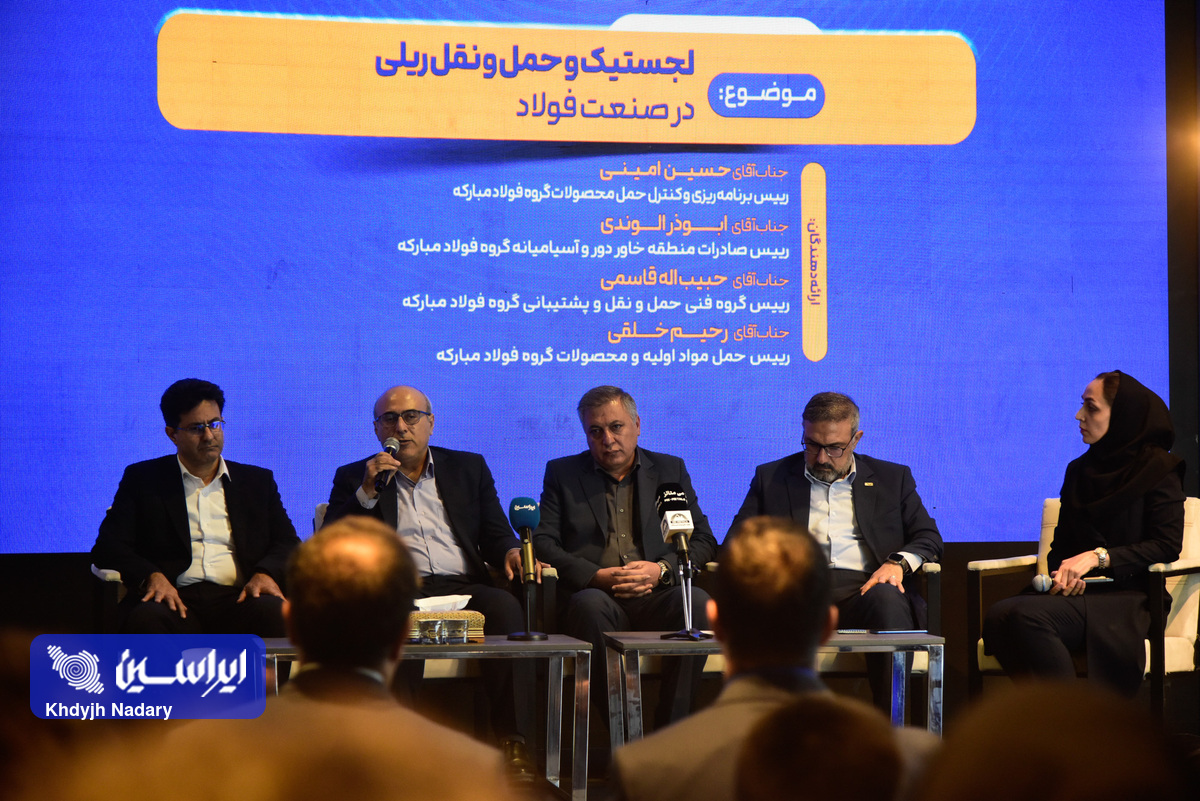

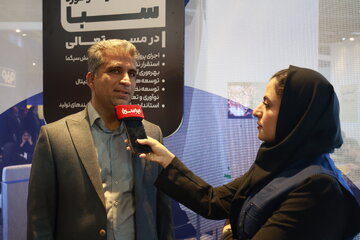
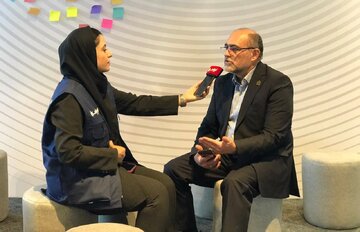
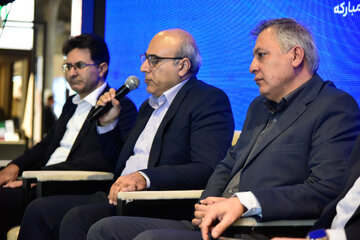
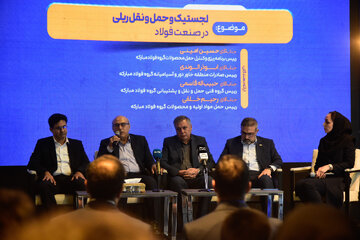
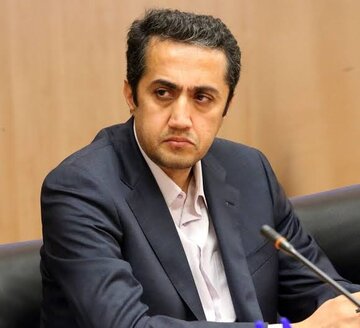
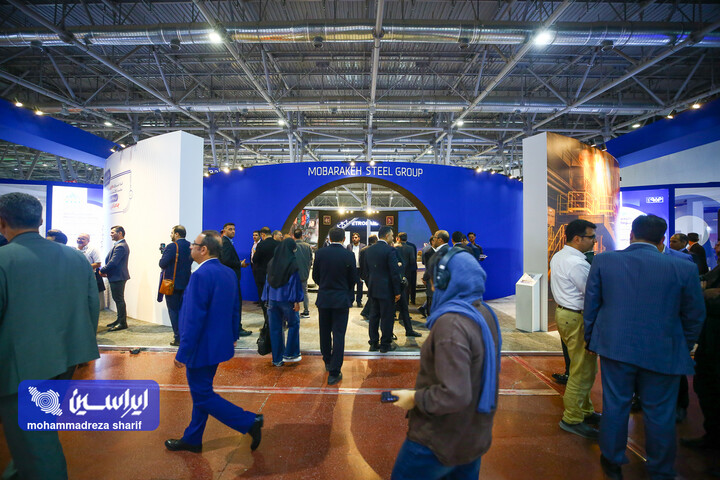
According to the analytical news outlet IRASIN, citing the Communications Management of Mobarakeh Steel Group, Habibollah Ghasemi, Head of Transport and Support Technical Group at Mobarakeh Steel Group, addressed the specialized panel titled "Logistics and Rail Transport in the Steel Industry" on the third day of the 2026 International Steel Exhibition & Symposium. The session was hosted by IRASIN at Mobarakeh Steel Group's pavilion.
Ghasemi stated: "The railway network of the Islamic Republic of Iran currently comprises approximately 15,000 kilometers of main and secondary track, around 1,000 locomotives, and over 35,000 freight wagons of various types."
Comparing the structural distribution of the country's rail and road transport fleets, he specified: "At Mobarakeh Steel Complex, 60% of inbound raw materials and 12% of outbound finished products are transported via rail."
Elaborating on the energy performance comparison between rail and road transport, Ghasemi explained: "Field data and technical calculations prove that diesel consumption per ton of freight moved in the rail sector averages approximately 3.5 liters, whereas moving the same volume via road fleets requires consuming over 33 liters of fuel. This multi-fold disparity illustrates rail's profound impact on curbing subsidized energy consumption, preserving foreign exchange reserves, and protecting the environment—an economic advantage that will become twice as significant for steelmakers should energy tariffs be rationalized."
Addressing logistical workarounds for mining sites lacking direct rail access, he noted: "In areas where mineral loading origins lack rail connectivity, we have deployed an intermediate hub strategy. Under this approach, freight is transported by road from the mine to rail-side terminals, loaded onto wagons from the roadside stockpile, and dispatched toward Isfahan to control overall freight costs."
The Head of Transport Technical Group at Mobarakeh Steel Group identified the fundamental bottleneck in the rail fleet as transit time rather than financial costs, adding: "Rail transport allows massive volumes of cargo to be moved seamlessly in a single shipment. However, the transit time metric from origin to final destination unloading remains regrettably high. Ongoing meetings and consultations are underway with railway authority executives to optimize traffic management, prioritize freight trains serving core industries, and reduce delivery lead times."
Concluding his presentation, Ghasemi highlighted digital transformation across the logistics framework: "Mobarakeh Steel Group has taken effective strides in smartification. Today, advanced monitoring and tracking systems trace all rail wagons and road trucks from the initial loading moment at the origin to final discharge at the destination terminal, raising supply chain security and manageability to the highest level."




نظر شما