


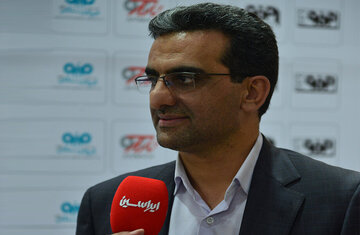
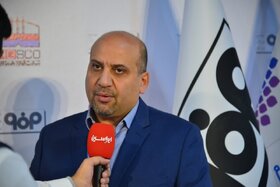
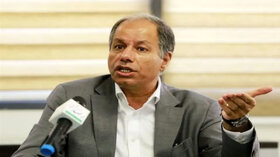
According to Irasin, Ehsan Chitsaz, Iran's Deputy Minister of Information and Communications Technology (ICT), speaking at the third specialized "Paresh" event focused on the strategic theme of "Artificial Intelligence" at the University of Tehran Science and Technology Park, stated: "Universities seek data and subjects to fulfill their roles and ultimately be effective in various fields. By strengthening the link between industry and academia, Mobarakeh Steel Group has taken a valuable step toward this effectiveness and addressing the technological needs of the industry."
He noted that while universities are expected to solve problems, they often lack the necessary tools. "Foreign countries have good experience in converting knowledge into capability; however, there were almost no successful examples in our country until the MSTID Fund created a suitable capacity in this area," he added.
The Deputy for Policy-Making and Planning of ICT Development and Knowledge-Based Economy at the Ministry of ICT continued: "Research is inherently risky, while industry is risk-averse. Under these circumstances, the actions of the MSTID Fund in recent years to meet the essential needs of the steel industry have been significant."
Chitsaz emphasized: "MSTID has been able to shape the 'incentive architecture' more effectively within the country's innovation ecosystem, allowing businesses to focus on innovation and technology drivers."
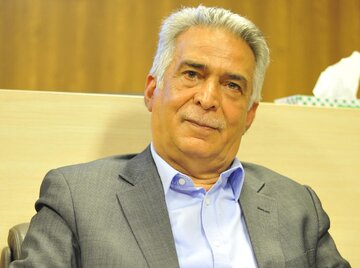
Following the event, Shahram Abbasi, CEO of the MSTID Fund, explained the process of formulating Mobarakeh Steel’s innovation strategy, the open innovation approach, the establishment of the MSTID Fund, and its activities. He said: "Due to the lack of necessary quantity and quality in investment-ready startups and knowledge-based companies, we designed the 'Industry-Academia Collaboration Maturity System' in cooperation with the Ministry of Science. This system uses 15 different tools across 6 stages to strengthen the connection between industry and academia around the Mobarakeh Steel Group."
Highlighting the creation of 10,000 square meters of innovation infrastructure in the country's universities, he added: "Through events like 'Ham-Masir,' we explained the macro-trends of the steel industry to students and professors so they could choose their thesis topics accordingly. These macro-trends include sustainability and the circular economy, digital transformation, and the production of high value-added products."
The CEO of the MSTID Fund stated that nearly 2,000 students across the country have benefited from Mobarakeh Steel’s grants, including in the field of AI. He concluded: "Our goal is for each of these students to create their own startup and utilize Mobarakeh Steel’s technological grants to become ready for investment by the MSTID Fund, eventually evolving their ventures into mature businesses."




نظر شما